2009 It Bags Are Back: 7 Designer Bags to Carry Now
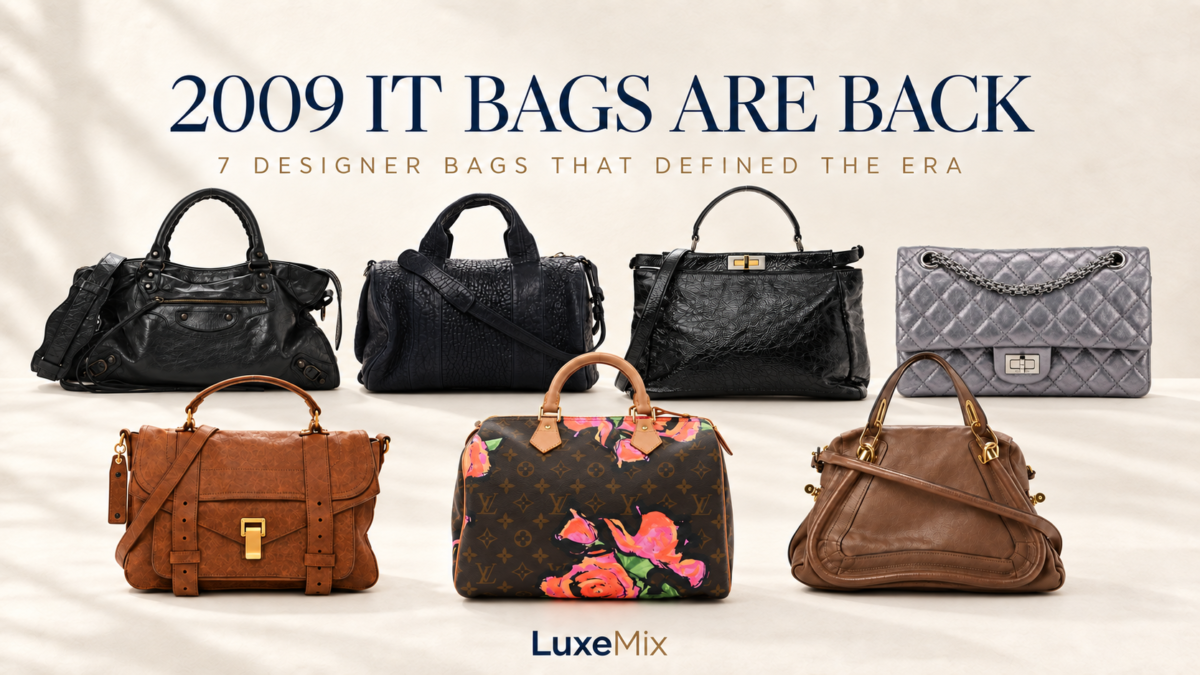
In 2008, I wrote about It bags in real time. Now seven late-2000s designer bags—from the Balenciaga City to a metallic silver Chanel 2.55—look right again.
In 2008, I published It Bags for Fall and Winter 2008. It had Neiman Marcus links, a Blockbuster joke, and a Miu Miu bag I loved while openly wondering whether its flaps would fall off. Very scientific fashion analysis.
Eighteen years later, Google still sends people there.
Now the slouchy shapes, oversized hardware, tassels, studs, and logo prints of that era are circulating again. Not as exact replicas of a 2009 outfit—please leave the stacked bangles and bandage dress in the vault—but as one interesting piece worn with what we own now.
A small clarification: not every bag below debuted in 2009. Some arrived earlier and became part of the era’s visual vocabulary. Others were new that year. Together, they defined the 2009 bag landscape.
These are the seven that still have something to say.
1. The Balenciaga City
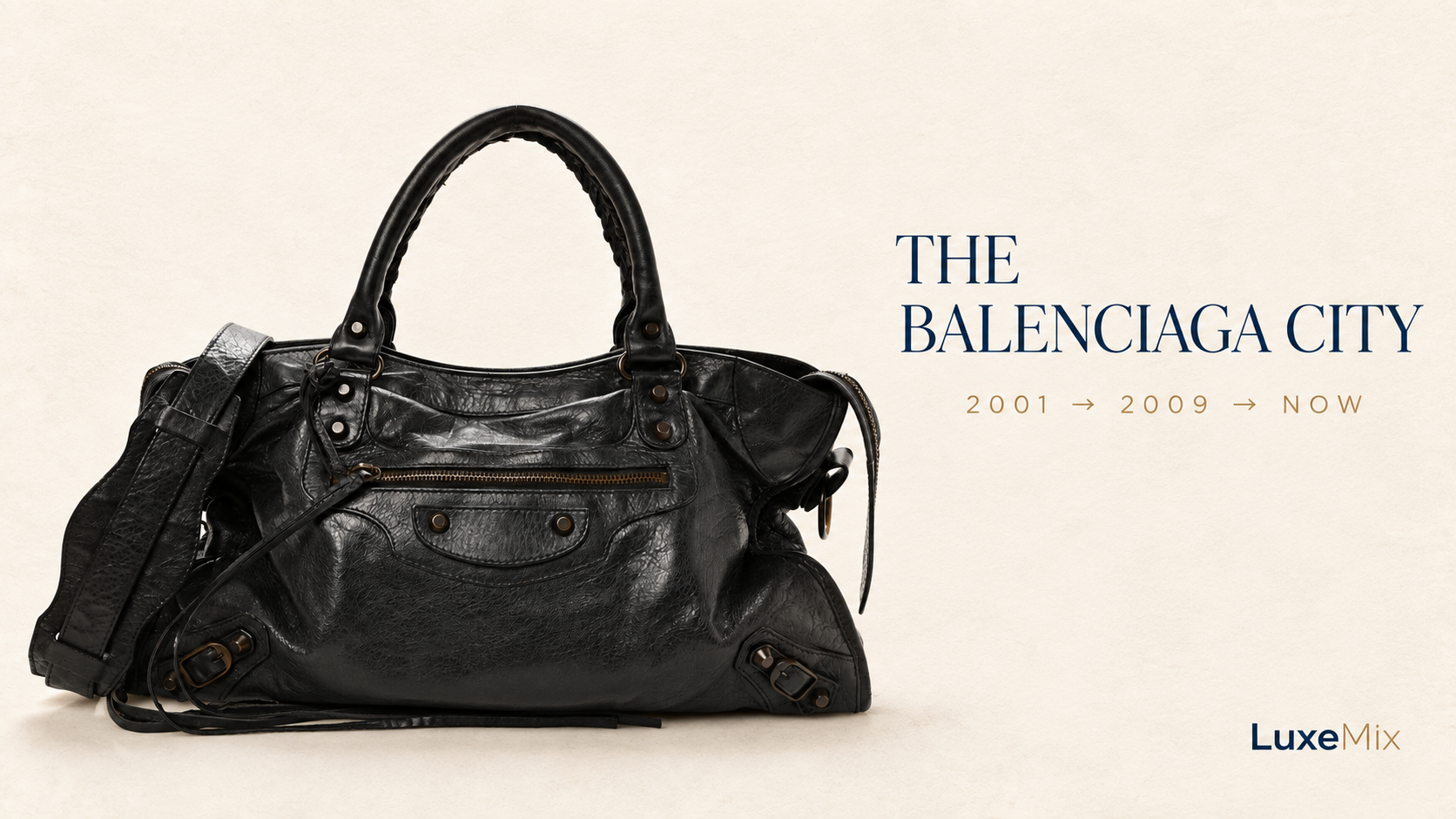
The Balenciaga City technically arrived in 2001, but by 2009 its slouchy leather, trailing tassels, and motorcycle hardware were everywhere. It was the opposite of a bag that needed to remain pristine. The more relaxed it became, the better it looked.
That quality may be exactly why it feels relevant again. Luxury feels more interesting when we can actually live with it.
I would wear a softened black City with straight jeans, a white tee, and a long tailored coat. Keep the clothes clean and current. Let the bag carry the history.
2. The Proenza Schouler PS1
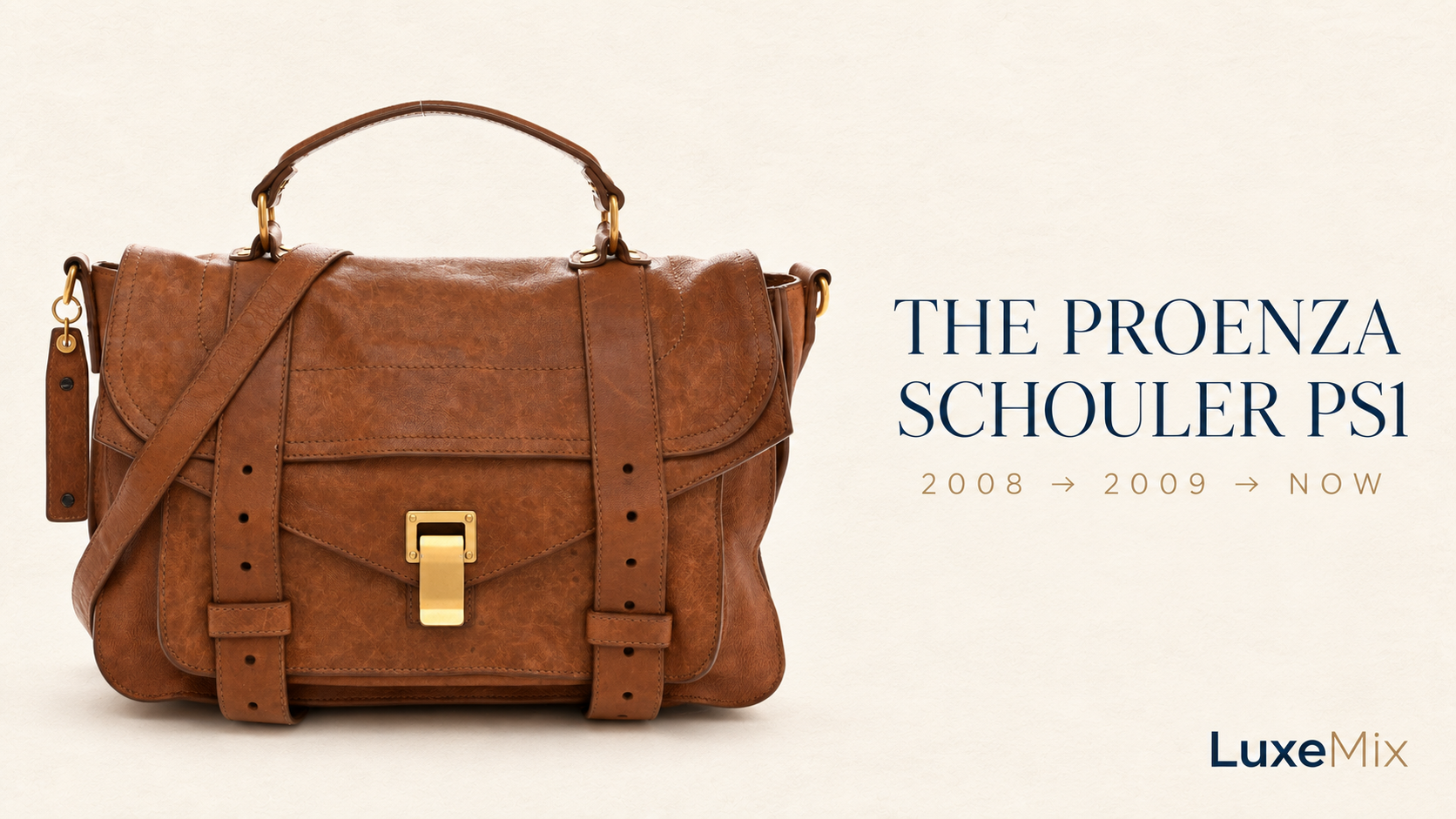
The PS1 debuted in late 2008 and looked almost aggressively practical beside the louder bags of the period. It had the structure of an old school satchel, useful pockets, a top handle, and a shoulder strap—an It bag pretending not to be an It bag.
It now reads as quiet rather than trendy, which is a compliment.
The saddle-brown version would work with cream trousers, a fine-gauge navy sweater, and loafers. No complicated styling equation required. This may be the easiest bag on the list to carry without looking like you are revisiting 2009 at all.
3. The Chloé Paraty
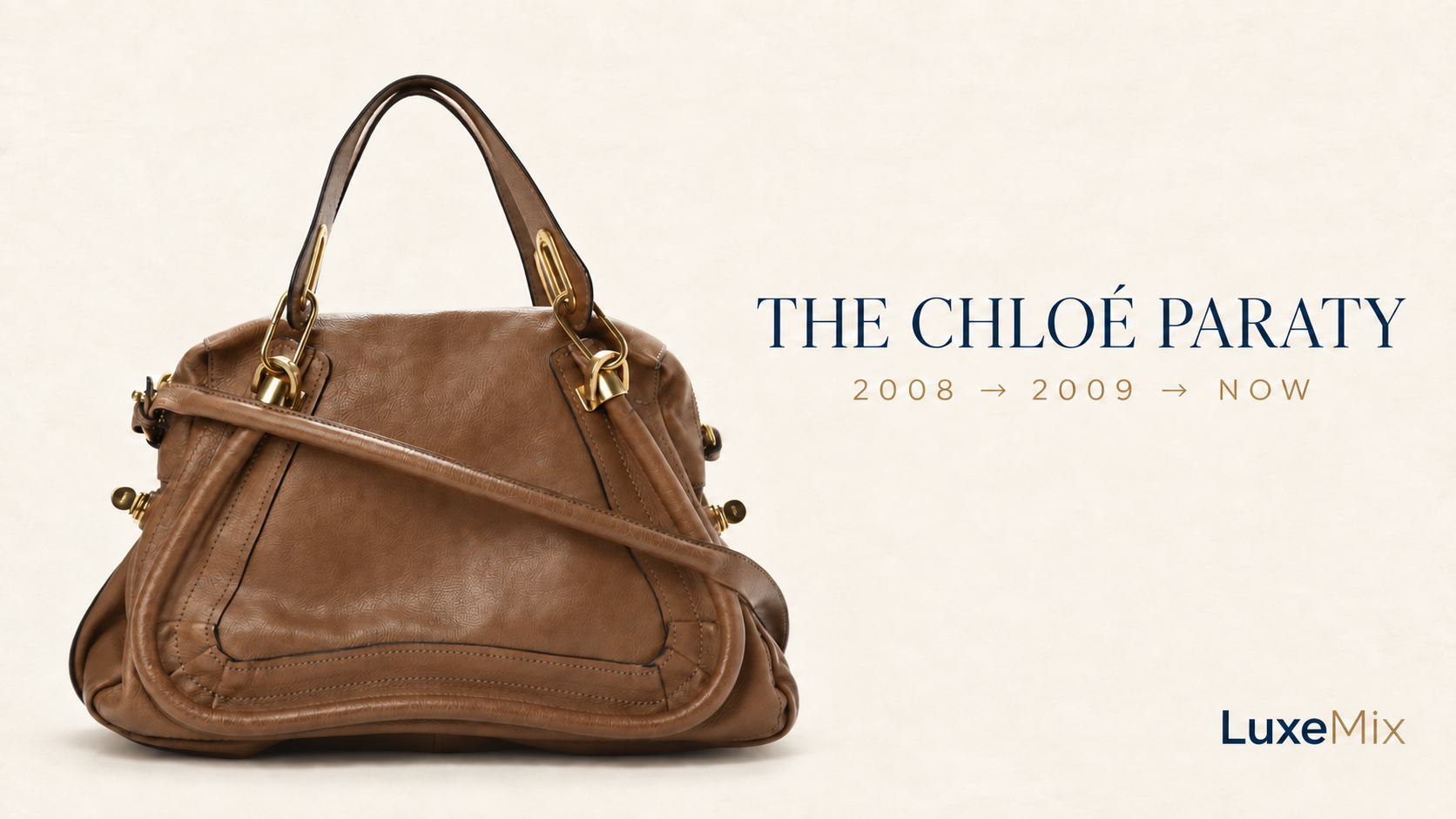
Introduced in 2008, the Paraty’s rounded triangular body, substantial handles, and curved zipper made it unmistakable. Of these seven, it may carry the strongest late-2000s accent.
That does not make it unwearable. It simply means the rest of the outfit needs less commentary.
I would pair a cognac Paraty with a column of charcoal or soft ivory: a simple knit, streamlined trousers, and one modern shoe. The warm leather becomes the texture.
The bag is already doing enough. Let it.
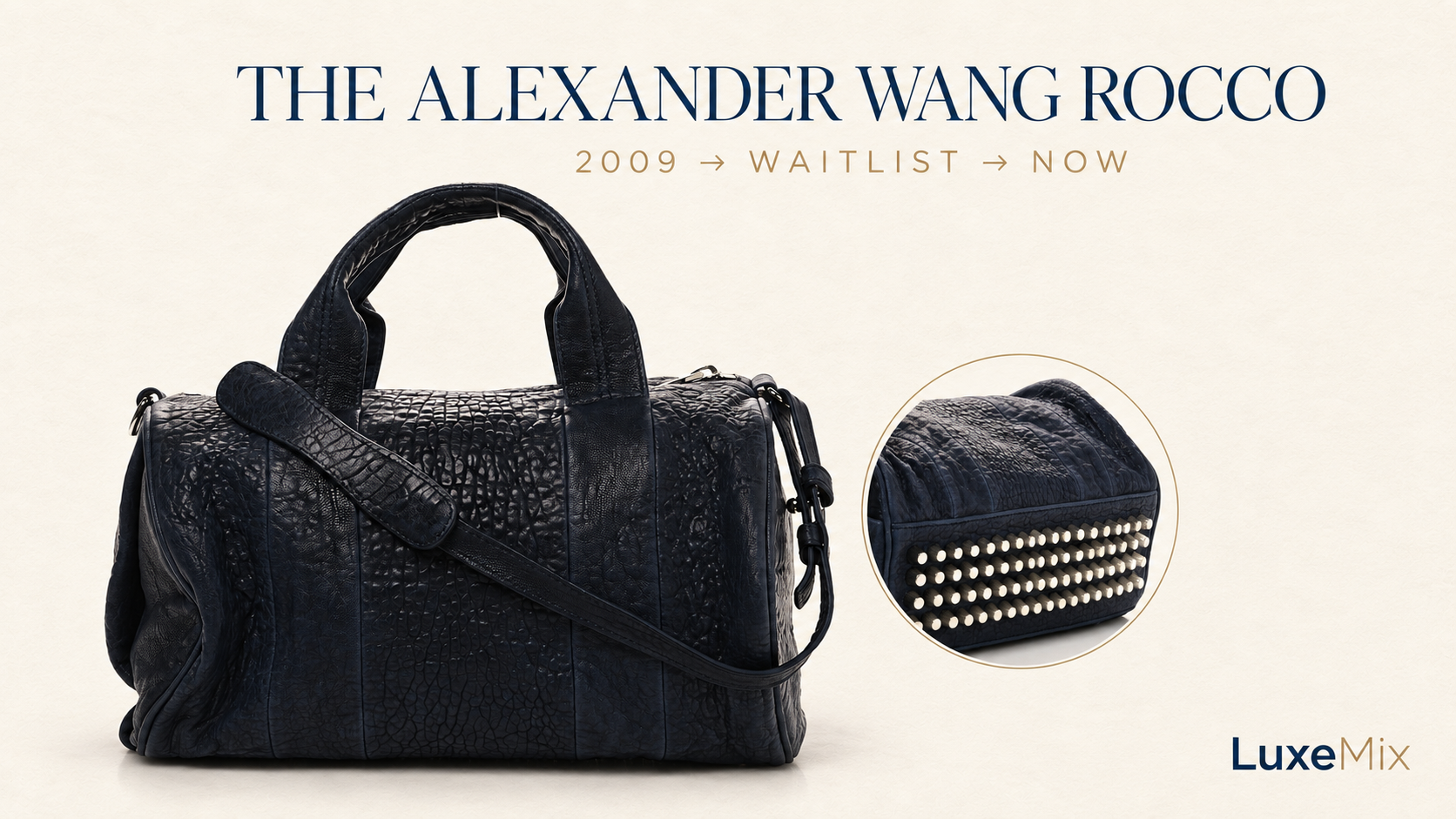
4. The Alexander Wang Rocco
The Rocco arrived in 2009 as a compact leather duffel with a surprise underneath: rows of metal studs covering the base. It was downtown, slightly tough, and heavy—literally. A reported 400-person Barneys waitlist helped establish it as a real It bag.
The shape still works because it is simple. The studs feel less like a period trend when they are treated as a private detail instead of the starting point for an entire rock-and-roll outfit.
Try it with a long slip skirt, a cashmere crewneck, and sleek boots. One archive piece is a point of view. Five is a costume.
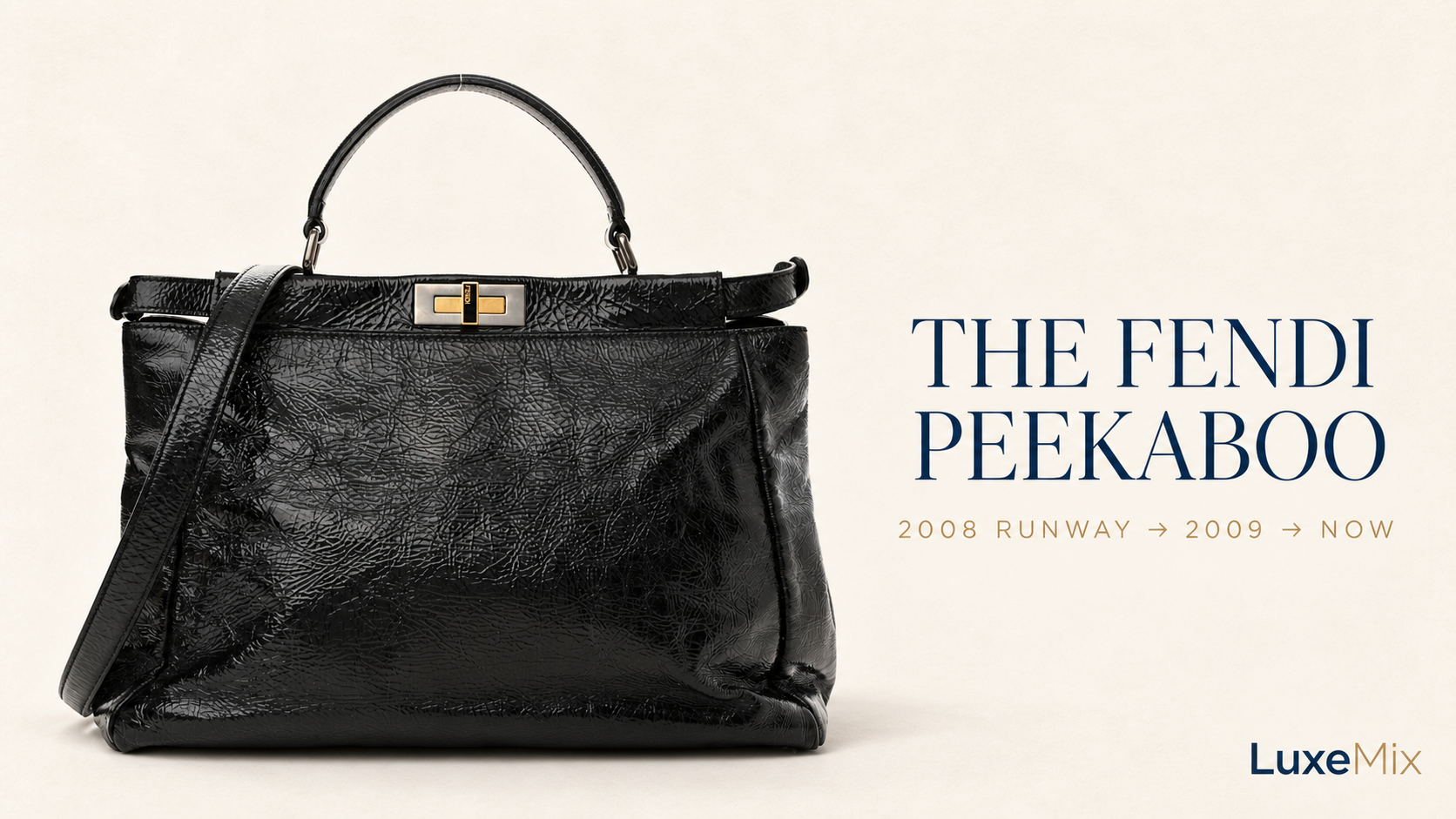
5. The Fendi Peekaboo
Fendi introduced the Peekaboo for Spring 2009. Its trick was built into its name: a polished, structured exterior that could fall open and reveal the interior.
It feels remarkably current now, perhaps because its identity was never dependent on one obvious logo or novelty detail. It has tension—proper on the outside, a little undone on the inside.
I would carry the black patent Peekaboo with loose denim, a grey cashmere crewneck, and a clean flat. The patent supplies the structure and a slightly strange shine, so the clothes can relax.
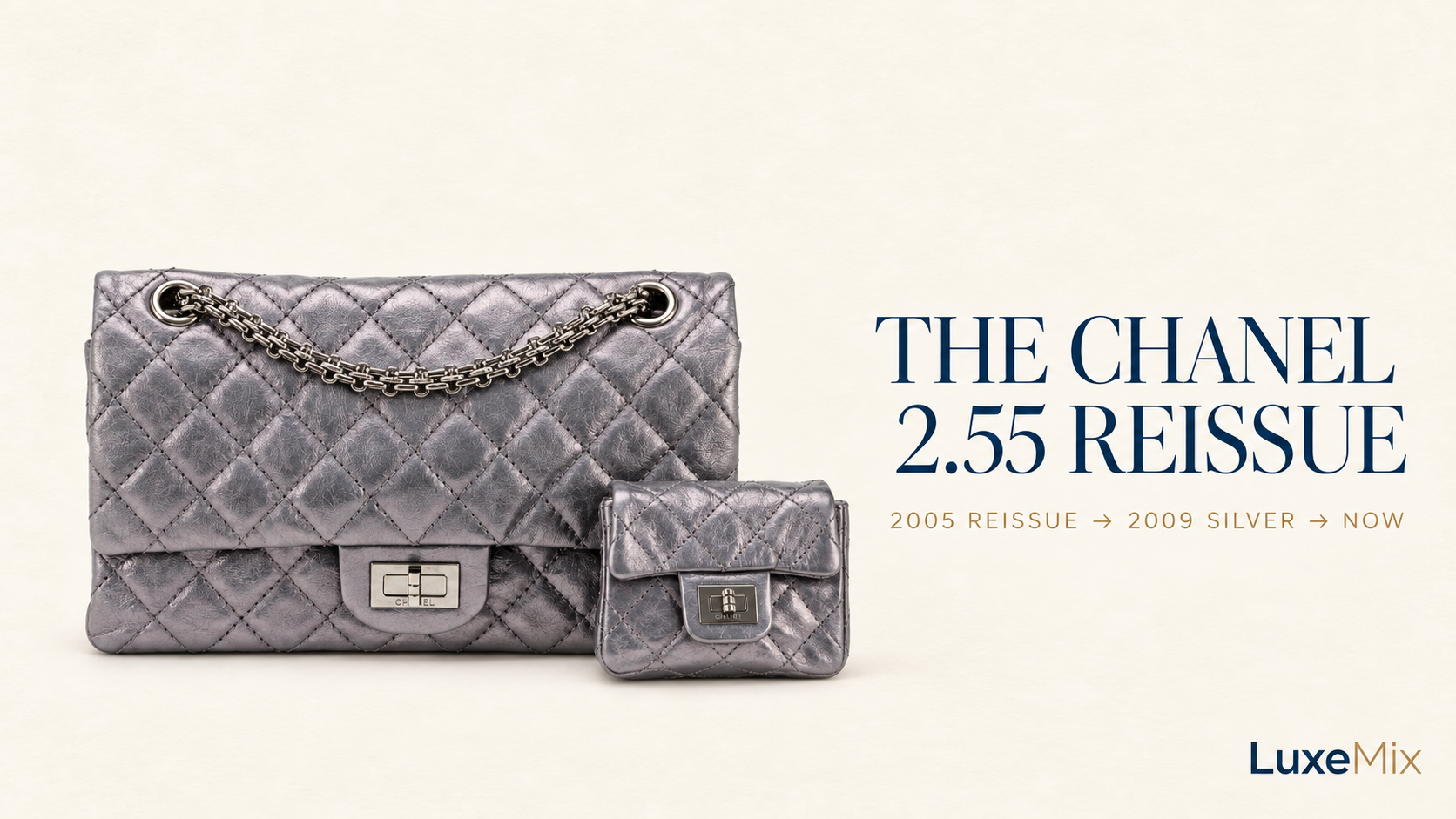
6. The Metallic Silver Chanel 2.55 Reissue
The 2.55 itself is older, but the metallic dark-silver versions from 2008–2009 capture the period perfectly: a familiar quilted shape in a finish that refuses to disappear quietly.
Silver can start to look like eveningwear when we overthink it. I like this bag better against ordinary clothes—a charcoal sweater, dark jeans, and black loafers. It catches the light without requiring the entire outfit to become an event.
Metallic leather shows age differently from ordinary leather, so look closely for finish loss around the corners, flap, and chain openings. A little variation can add character. Large patches of missing color are something else.
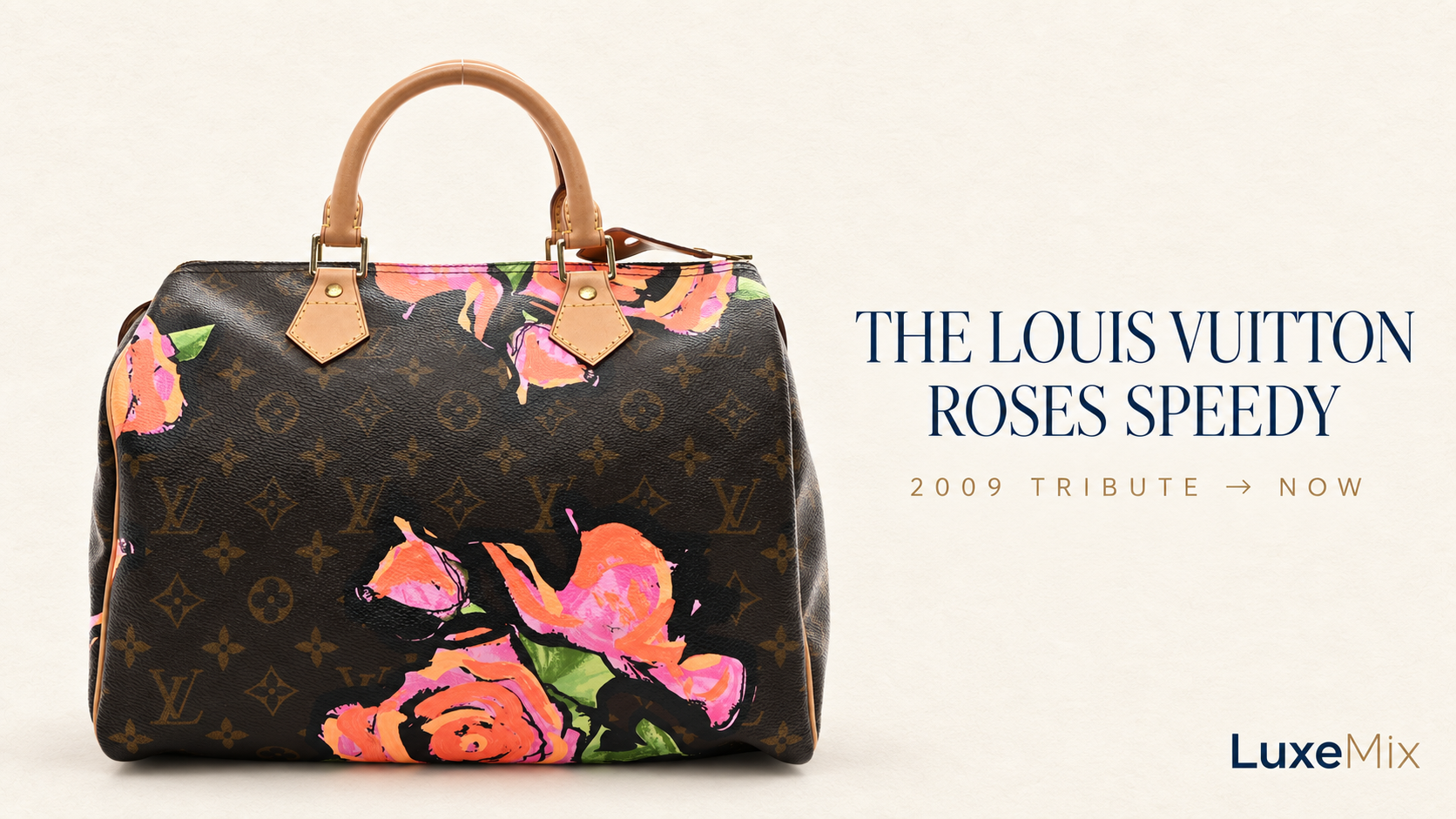
7. The Louis Vuitton Stephen Sprouse Roses Speedy
The 2009 Stephen Sprouse tribute collection covered Louis Vuitton’s familiar monogram with vivid, painterly roses. It was released after Sprouse’s death as a tribute to the designer—not as a new live collaboration.
This is the least quiet bag here and the most specific time capsule.
That is its strength.
Give it a navy sweater, straight jeans, and loafers—or a simple black dress—and allow the roses to be the only source of noise. It should look intentional, not apologetic.
Before Buying a 2009-Era Designer Bag
Seventeen-year-old leather tells the truth. Ask for close photographs of the corners, handles, glazing, zipper, hardware, interior, and base—not only the flattering front view.
Look for cracking, deep discoloration, misshapen structure, strong odor, and repairs the seller has not explained.
Buy through a reputable resale platform or seller with authentication and a clear return policy. A serial number or date code is one piece of evidence, not proof by itself. Reissues also exist, so verify that the size, color, hardware, and construction match the period the listing claims.
Normal wear can be beautiful. Undisclosed damage is different math.
The Takeaway
The bags that aged best were never only logos. They had a recognizable shape, a useful function, and enough personality to change a simple outfit.
In 2009, I wanted the new bag. In 2026, I’m more interested in the right old one.
Which 2009 It bag did you want then—and which one would you actually carry now?
Images: AI-assisted editorial graphics by LuxeMix, created from authenticated archival product references.
Liked this?
Stay in the Loop
New posts and honest conversations, delivered to your inbox. No noise, just the writing.
L U X E M I X
N°152 · Vol. XX · September 2026
Twenty years in the making. A space for the messy, beautiful middle.