I blogged through the early 2010s the first time. These eight fashion trends are returning—but I am more interested in what still works than recreating every original outfit.
Luxemix was four years old in 2010.
I was already photographing outfits, writing about bags, and watching trends move from the runway into J.Crew, Zara, Tumblr, and our closets. I was not observing from a safe distance. I wore plenty of it.
I remember what I genuinely liked. A skinny jean made the rest of an outfit easy to proportion. Peplum could make one top feel like a finished look. Ballet flats worked with almost everything I needed to do in a day.
Then each trend became so familiar that I stopped really seeing it.
Fashion cycles do that.
Now, in 2026, designers and shoppers are looking at the early 2010s again. Cigarette jeans, sculptural peplum, military jackets, slim scarves, statement jewelry, and wedge sneakers are all returning in some form. The interesting part is that they are not coming back exactly as they left.
Neither am I.
Here are the eight trends I would revisit—and the small changes that make them feel useful to me now.
The 2010s Trend Edit at a Glance
Trend
Then
How I would wear it now
Peplum
Soft flounces and pencil skirts
Sculptural jackets and clean knits
Skinny jeans
Very fitted and tucked into boots
Cigarette or slim-straight denim
Wedge sneakers
High-tops worn with leggings
Tonal suede or low-profile leather
Military jackets
Brass buttons and ornate detailing
Precise tailoring with simple basics
Statement scarves
Bright, oversized, and layered
One scarf carrying the outfit’s color or texture
Bandage dresses
The complete going-out look
A clean column or one bandage-knit separate
Statement jewelry
Colorful bibs and layered pendants
One tactile pendant or sculptural collar
Ballet flats
Small round-toe flats
Elongated, square, mesh, or glove-soft
1. Sculptural Peplum
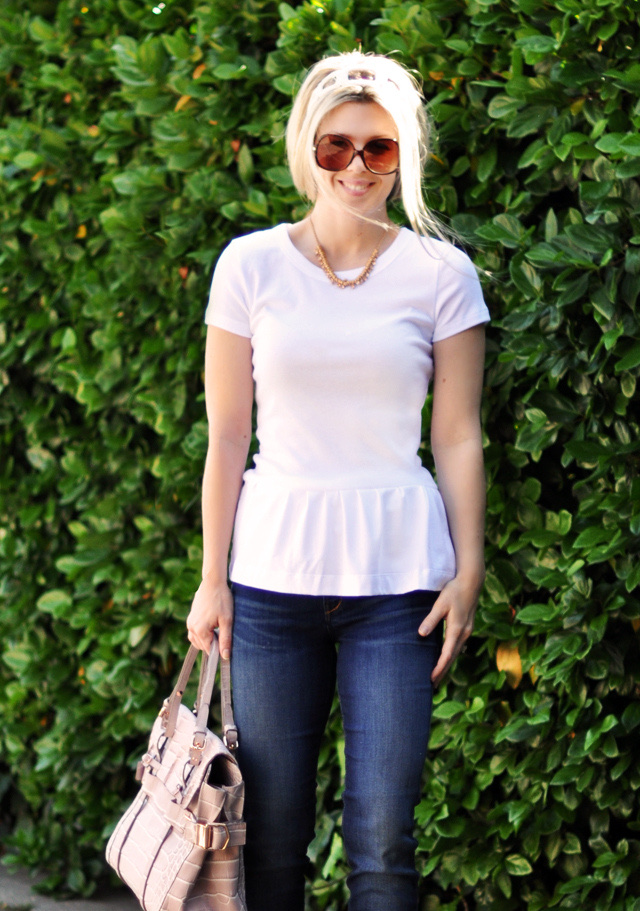
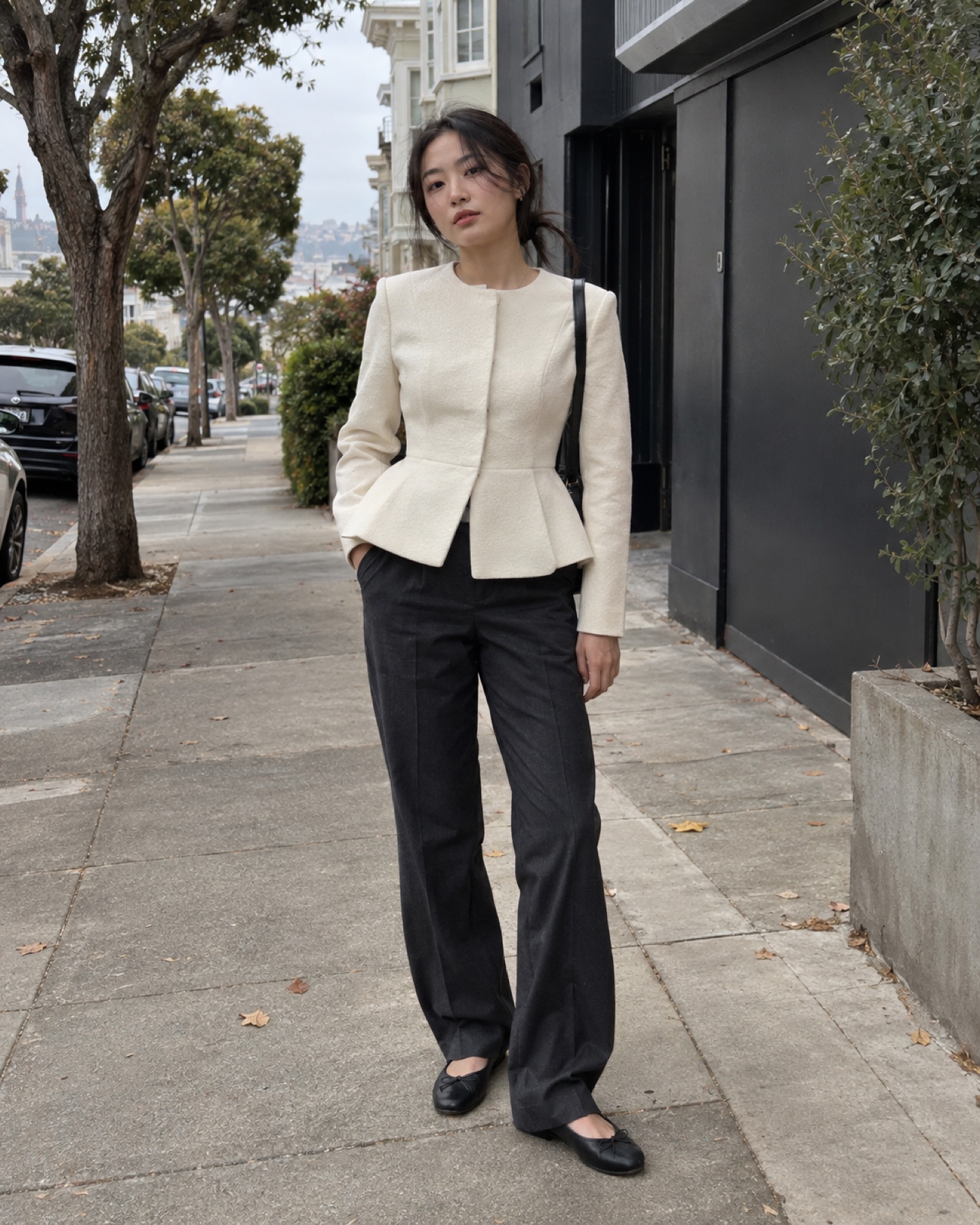
THEN — 2012: A white peplum tee with skinny jeans in 2012—the kind of look that actually moved through closets. Photo: …love Maegan, CC BY 2.0, via Wikimedia Commons.NOW — 2026: The flare is built into the tailoring now, rather than added as a soft ruffle. Luxemix styled visualization created with AI.
Then: Peplum appeared on sleeveless office tops, pencil skirts, cocktail dresses, and jackets. I understood the appeal. One flared detail could create the entire proportion of an outfit.
Why it feels current: The 2026 version is more architectural. Designers are using firm knits, sharp seams, corseted jackets, and sculpted hems instead of adding one soft ruffle to an otherwise basic top.
How I would wear it: I would let the peplum be the only volume story—probably a structured peplum jacket with dark cigarette jeans or a long, clean trouser. The shape is already the focal point, so everything else can stay quiet.
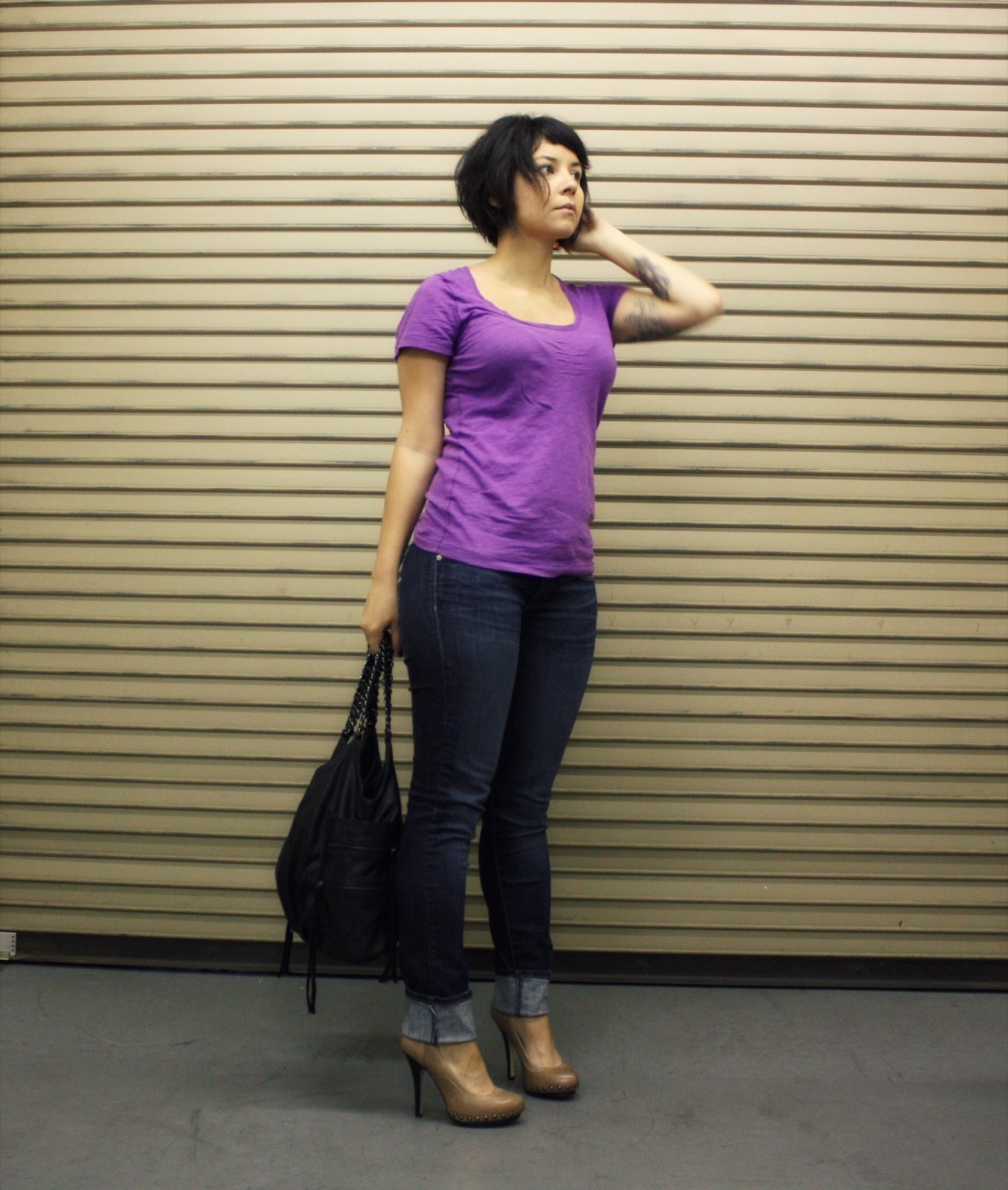
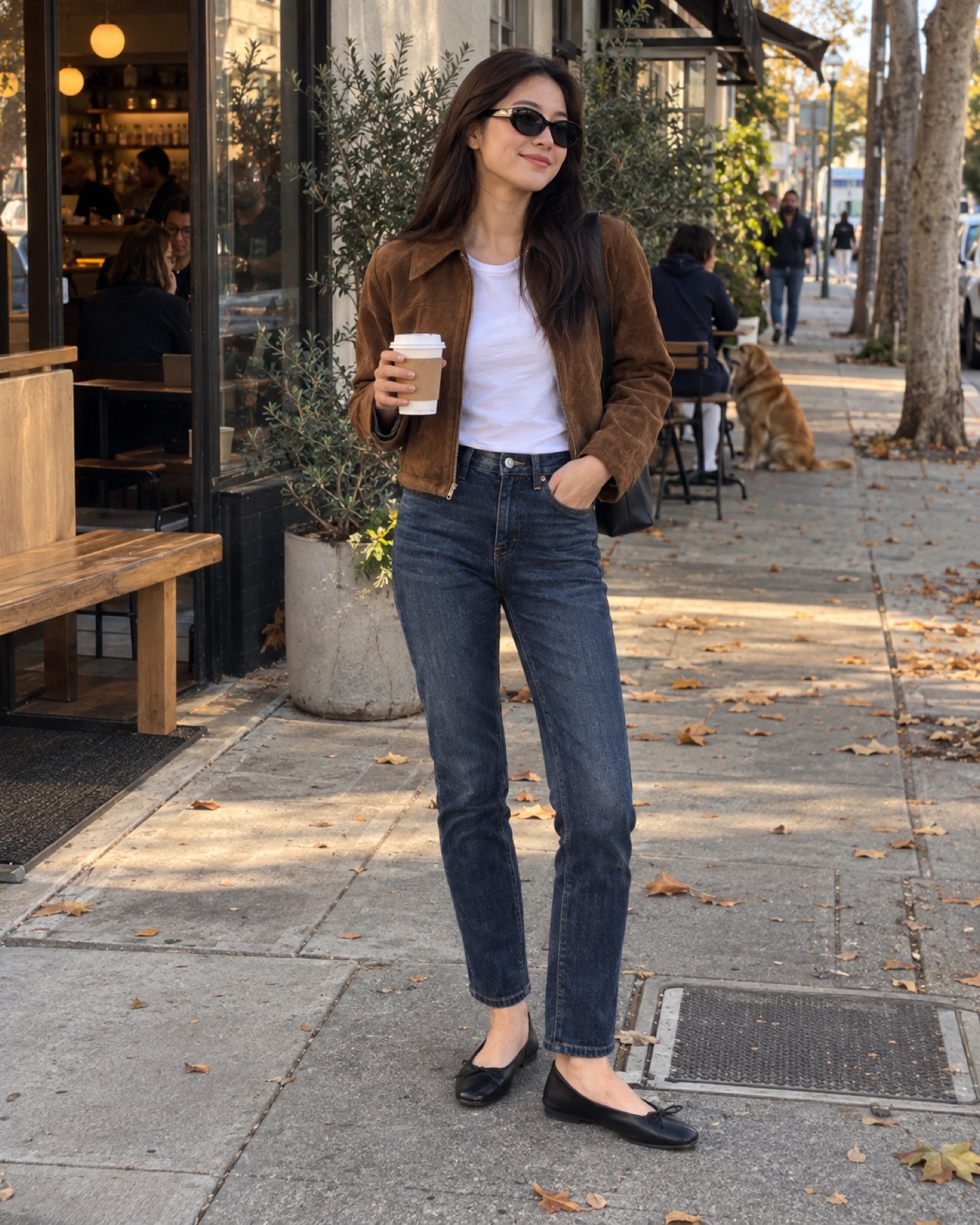
THEN — 2010: Dark cuffed skinny jeans in 2010, styled the way they appeared off the runway. Photo: Vivianna_love, CC BY 2.0, via Wikimedia Commons.NOW — 2026: The updated line skims instead of clings, with a little room at the ankle and a boxier layer above. Luxemix styled visualization created with AI.
Then: Skinny denim was usually cropped at the ankle or tucked into boots. I wore the silhouette because it made oversized sweaters, jackets, and longer tops easy to balance.
Why it feels current: Wide and barrel jeans have not disappeared. The newness comes from contrast after several years of volume. Current versions include cigarette cuts, dark rinses, slim-straight legs, and longer hems.
How I would wear it: I would start with a dark slim-straight or cigarette jean rather than immediately recreating my most fitted 2011 pair. Add a boxier blazer, substantial knit, or longer coat. The narrow line remains, but the surrounding proportions have changed.
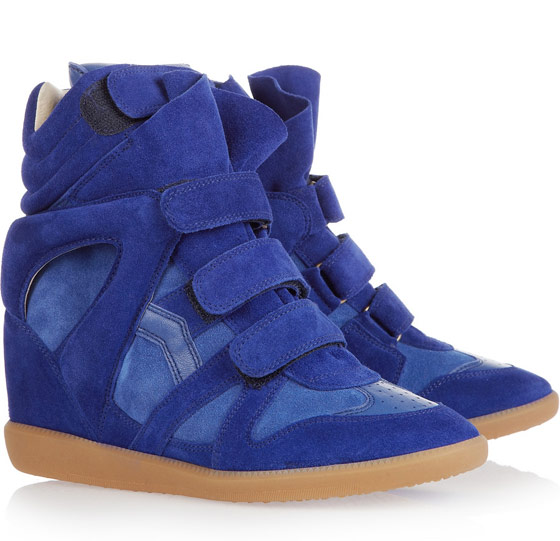
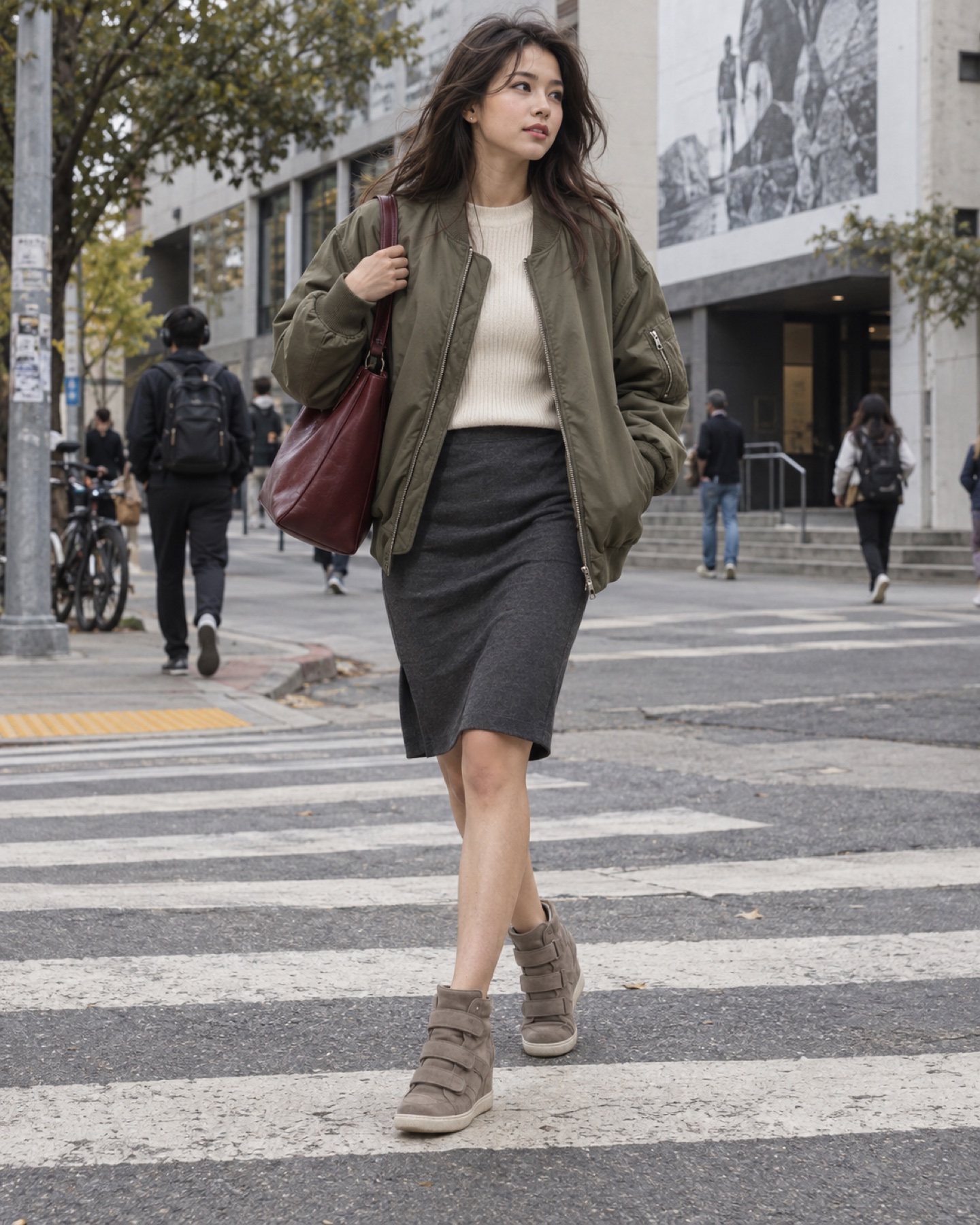
THEN — 2014: The unmistakable early-2010s wedge sneaker shape. Photo: Kgu, CC BY-SA 3.0, via Wikimedia Commons.NOW — 2026: A tonal concealed wedge with a column skirt and bomber reads more directional than the original leggings-and-high-tops formula. Luxemix styled visualization created with AI.
Then: Isabel Marant introduced the Bekett in 2011, combining a leather high-top with a concealed wedge. It became one of the defining shoes of the decade.
Why it feels current: This is one of the clearer revivals. Lyst reported a 630 percent increase in demand for the Bekett during 2025, and brands are producing new hidden wedges and streamlined sneaker hybrids.
How I would wear it: I would choose a tonal version in taupe suede, black leather, or cream, then wear it beneath a longer jean or relaxed trouser. I still understand the original appeal: it is a practical sneaker that changes the line of an outfit.
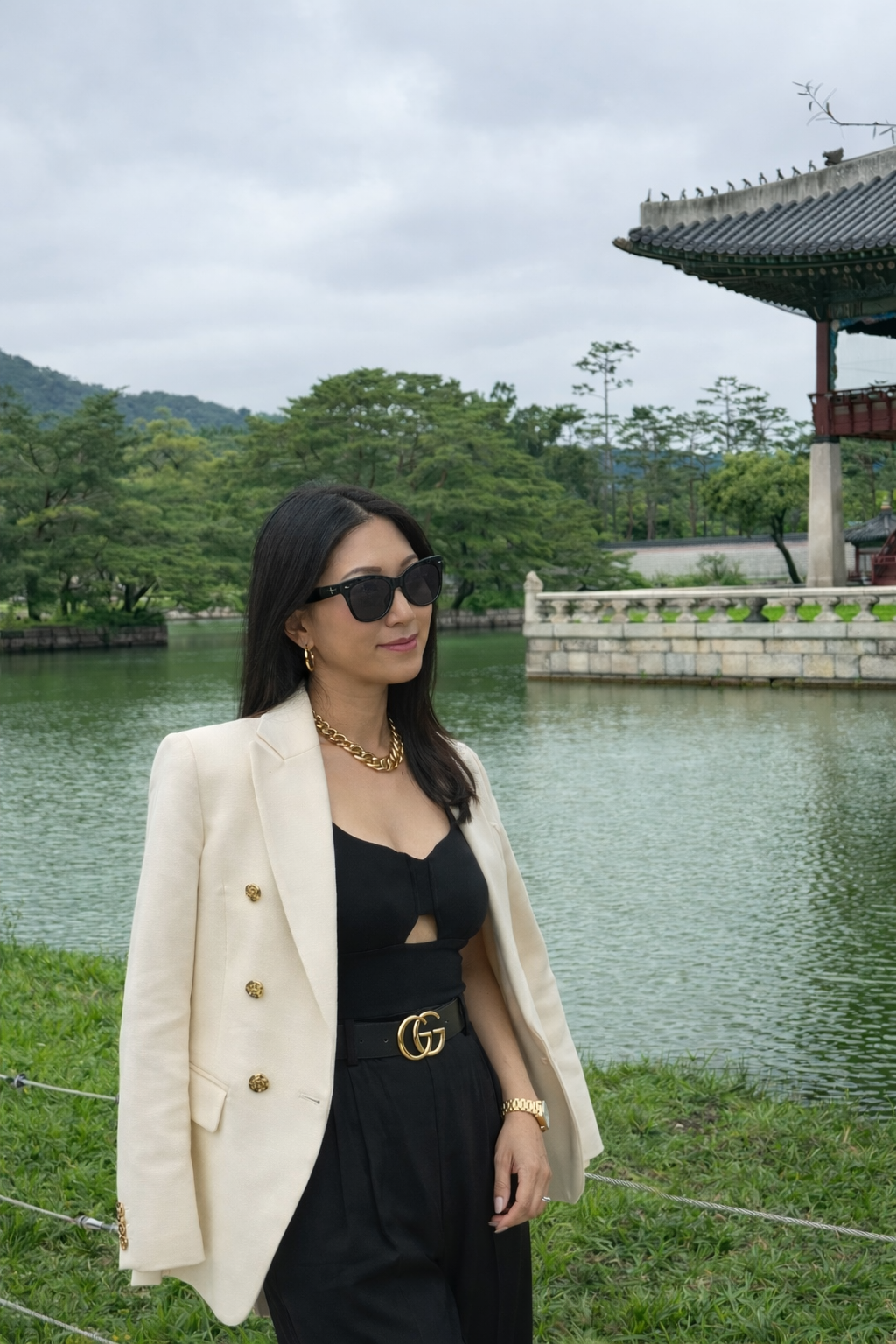
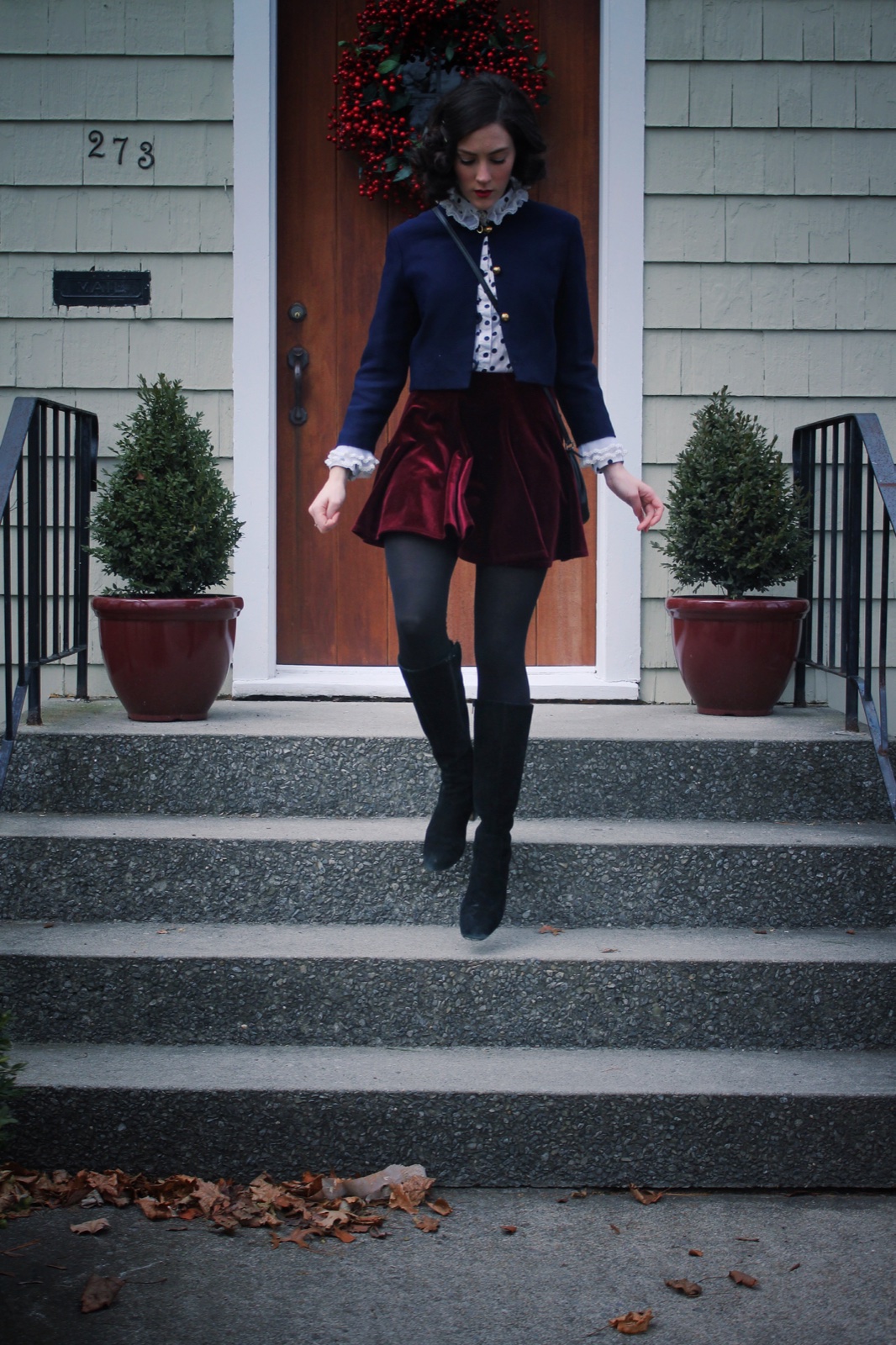
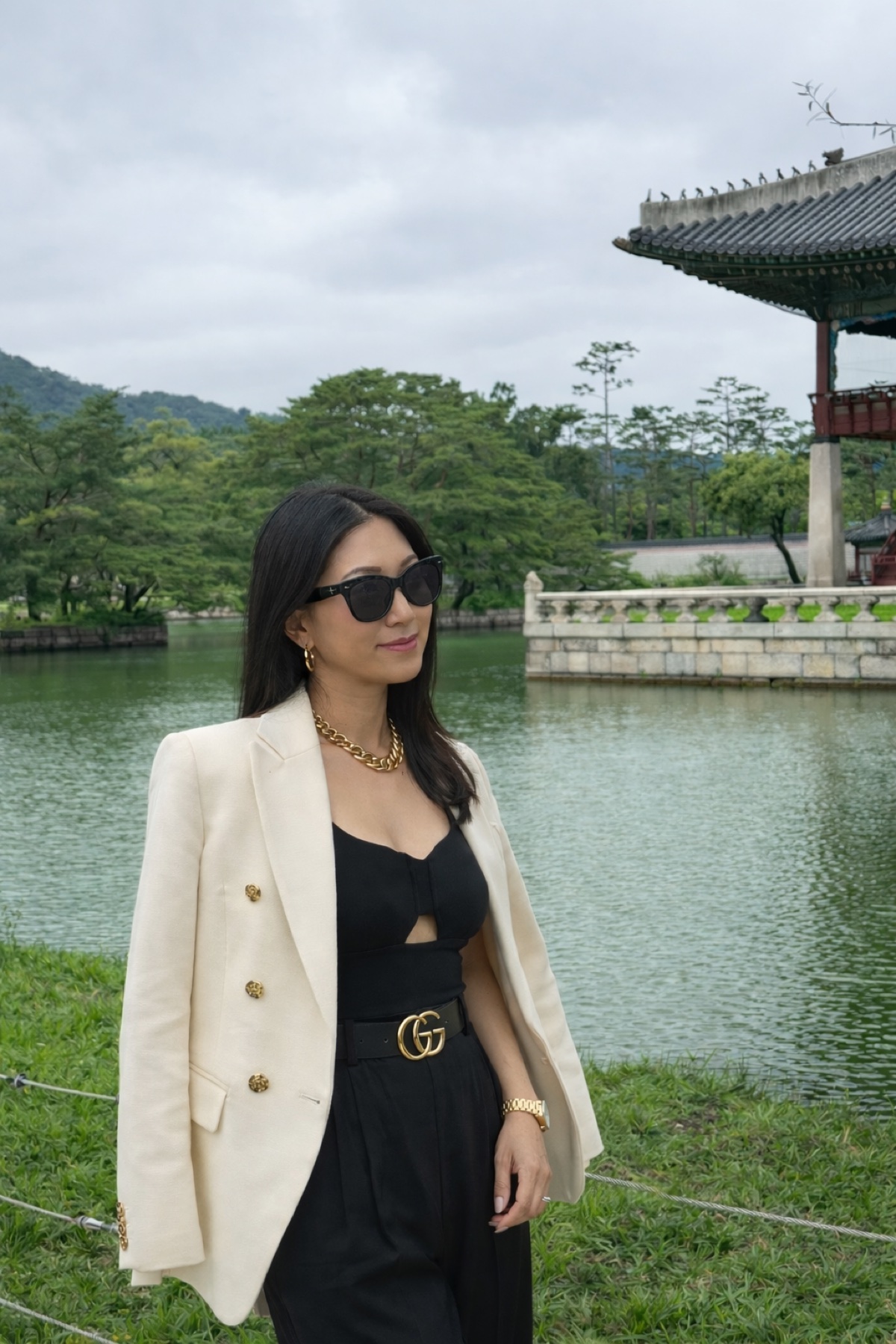
THEN — 2014: A wearable 2014 take on the majorette jacket: cropped navy tailoring, gold buttons, tights and boots. Photo: kater, CC BY 2.0, via Wikimedia Commons.NOW — 2026: One gold-button blazer over a simple black column lets the tailoring do the work. Photo: Jenni Kim.
Then: The turn-of-the-decade military jacket had strong shoulders, rows of metal buttons, braid, and a very fitted shape. Balmain’s Spring 2010 collection is still one of the clearest references.
Why it feels current: Military tailoring has returned in leather, wool, and sharply constructed jackets. The details remain recognizable, but many of the new versions are more restrained.
How I would wear it: A fitted military jacket over a white tee, dark denim, and a simple flat would be enough for me. If the jacket has epaulettes, piping, and two rows of buttons, I would let those details carry the outfit.
Search secondhand: military band jacket, Napoleon jacket, brass-button fitted jacket
5. The Statement Scarf
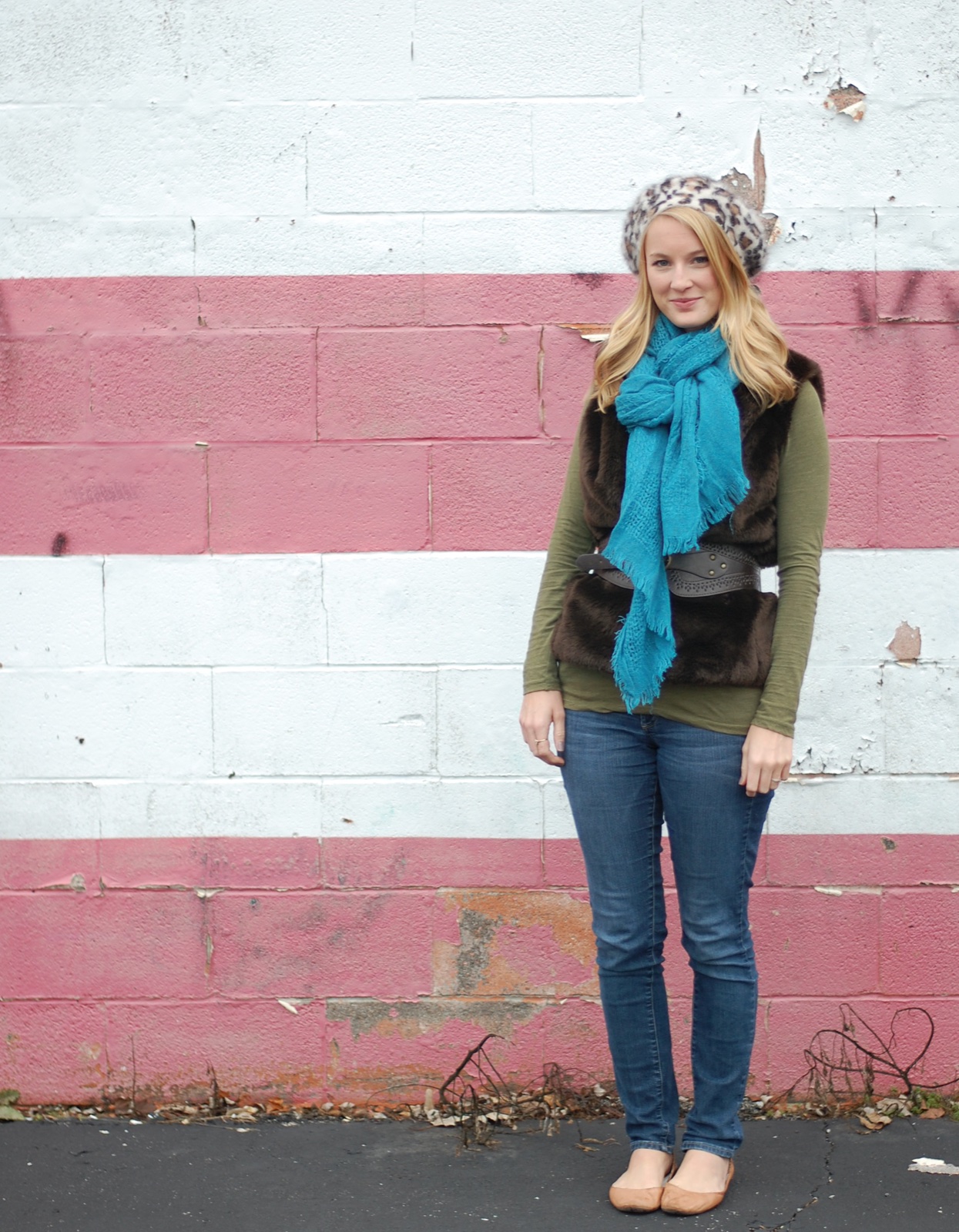
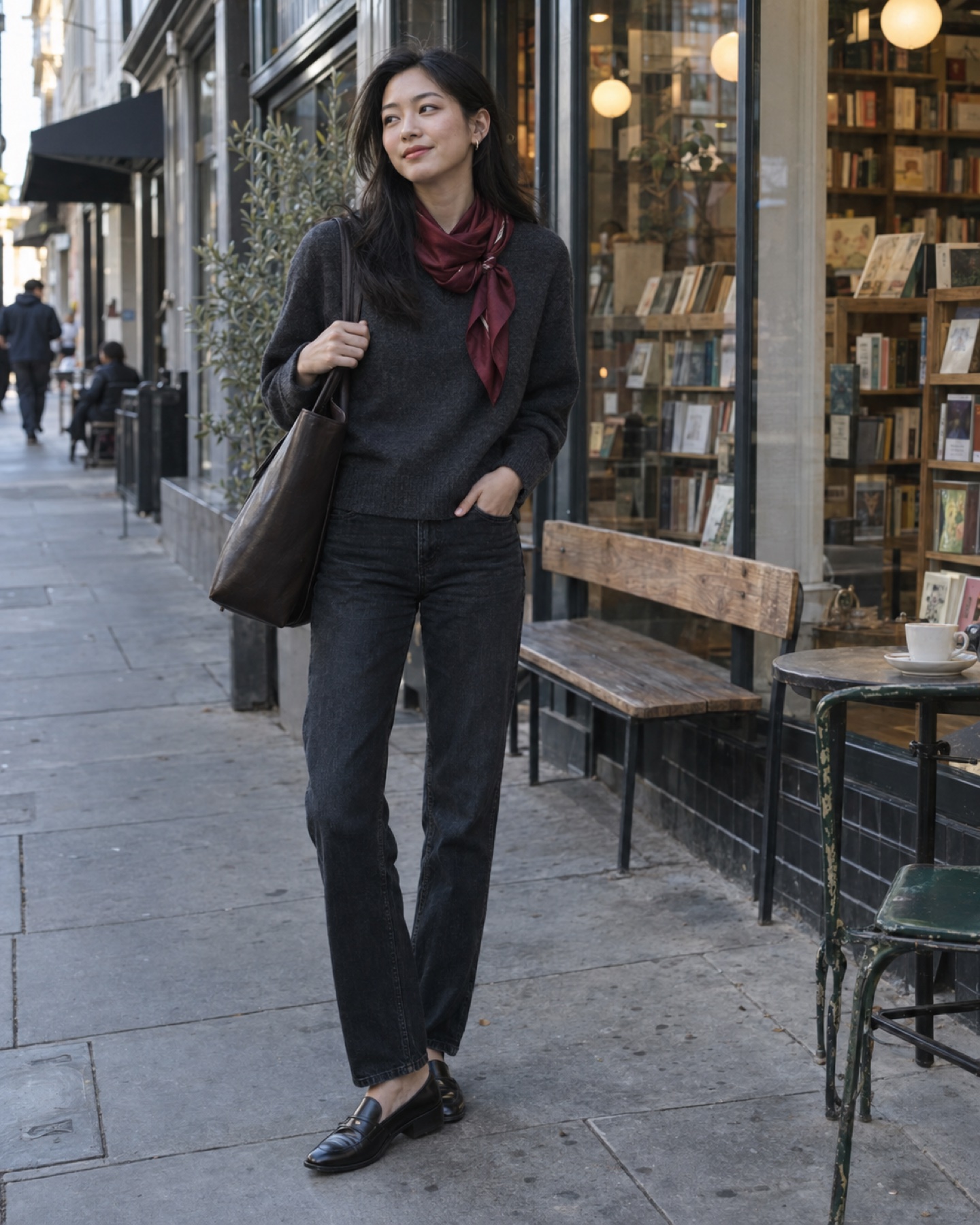
THEN — 2011: A bright 2011 scarf layered with skinny jeans and flats—the trend as it actually appeared in everyday outfits. Photo: Stacie, CC BY-SA 2.0, via Wikimedia Commons.NOW — 2026: One silk scarf carries the color; the rest of the outfit stays quiet. Luxemix styled visualization created with AI.
Then: In 2010 and 2011, the scarf was often colorful, printed, or oversized—the visible finishing piece over a tee, leather jacket, or simple knit.
Why it feels current: The idea worth revisiting is less about one exact scarf width and more about letting a single accessory bring color and texture to an otherwise simple outfit.
How I would wear it: I would keep the rest of the outfit simple and let the scarf do one job: add the color or pattern. A smaller version would feel current without losing the reference.
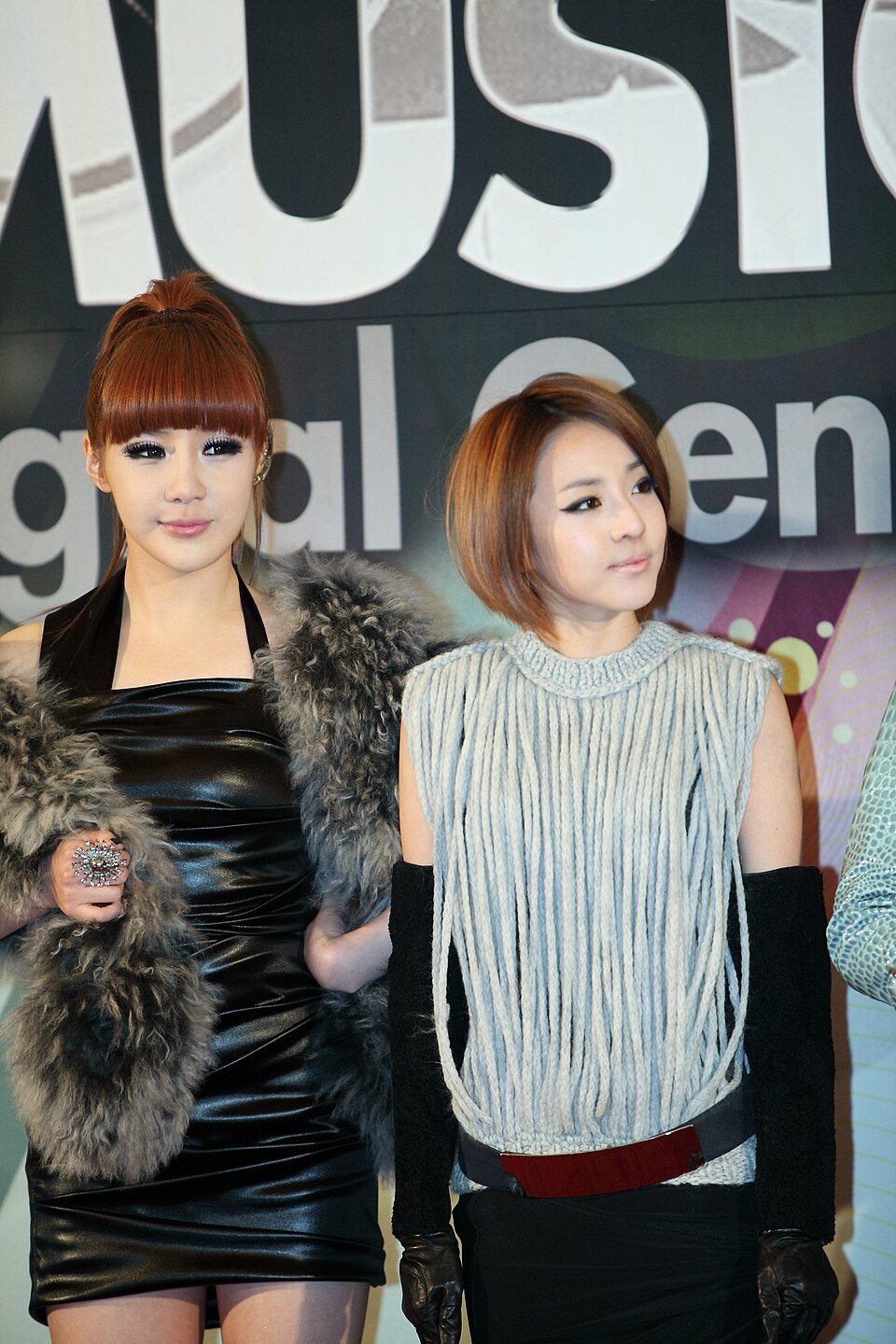
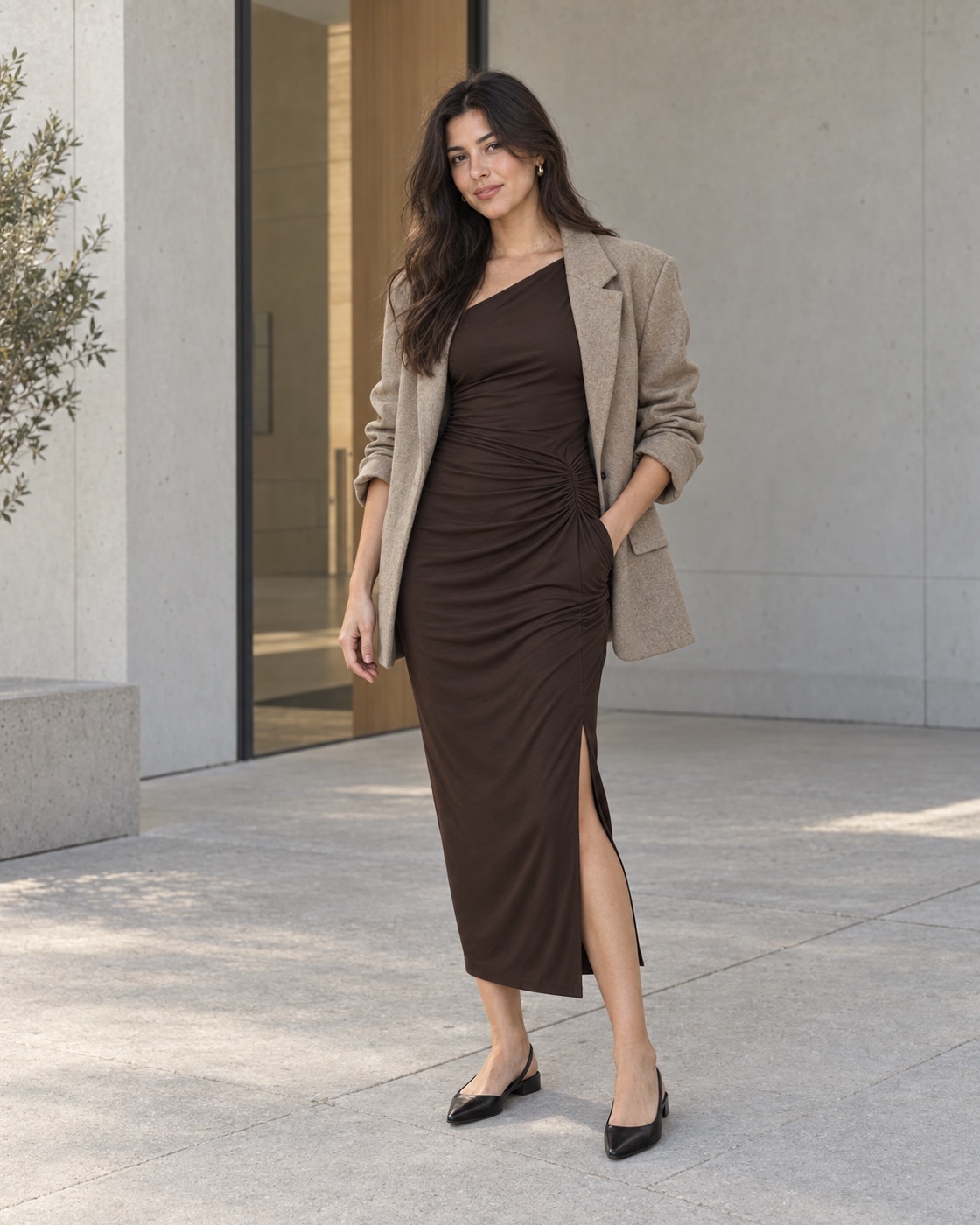
THEN — 2010: CL in a fitted black mini at the 2010 Melon Music Awards, with Dara in the graphic layered styling of the same era. Photo: Kiyoung Kim, CC BY 2.0, via Wikimedia Commons.NOW — 2026: The bodycon idea returns as a longer asymmetrically ruched midi, grounded by a relaxed blazer and low slingbacks. Luxemix styled visualization created with AI.
Then: The Hervé Léger bandage dress became one of the decade’s most recognizable going-out silhouettes, generally styled with a platform pump and small clutch.
Why it feels current: This revival is being driven by resale, social media, and renewed shopper interest as much as by the runway. Hervé Léger is also reworking its archive language through draping, asymmetric construction, longer lengths, and separates.
How I would wear it: I would keep the clean, precise line but change the formula—a bandage-knit midi with an oversized blazer, or a fitted bandage top with a full trouser. The goal is not to correct or disguise a body. It is simply to use one clear silhouette.
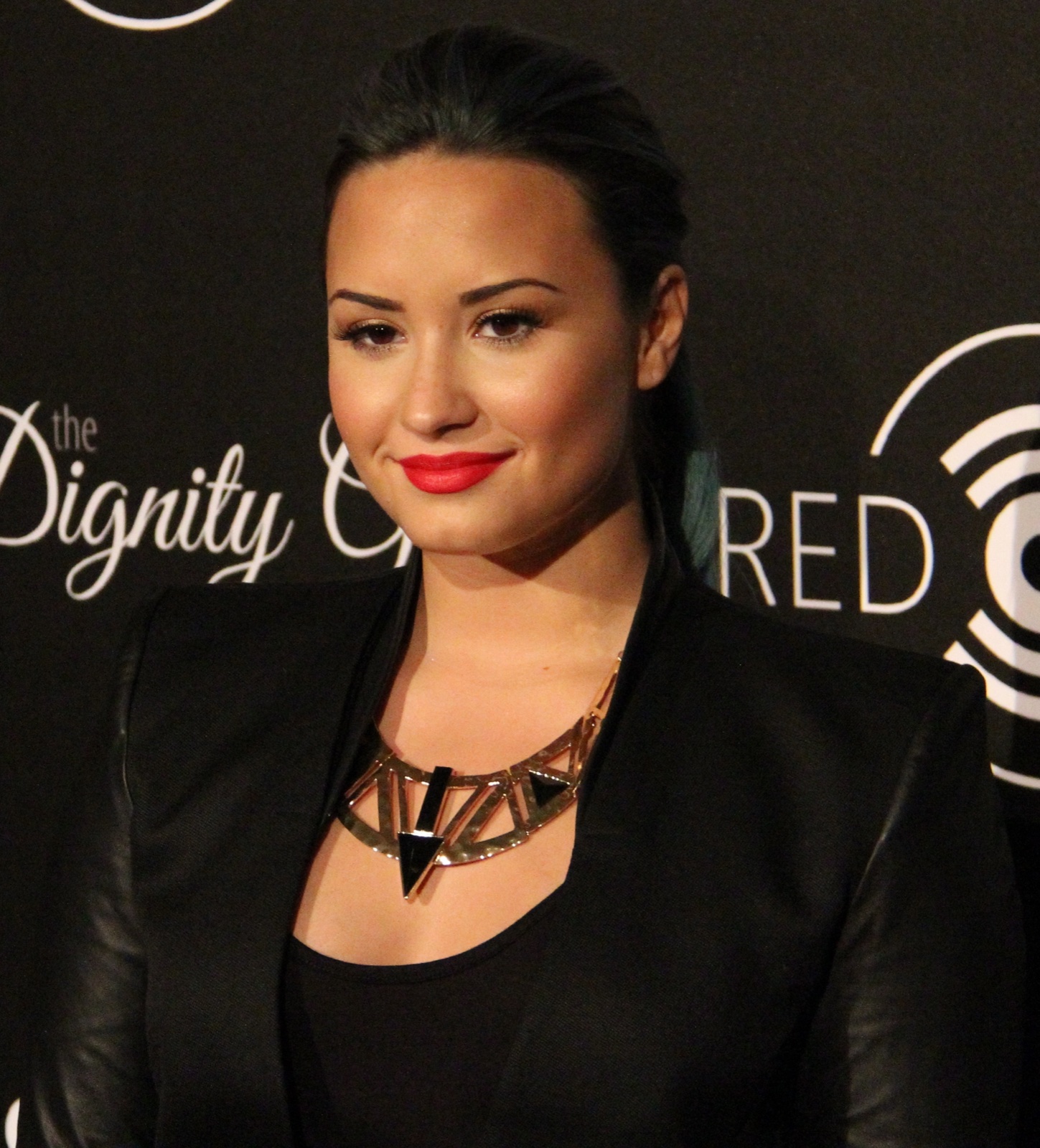
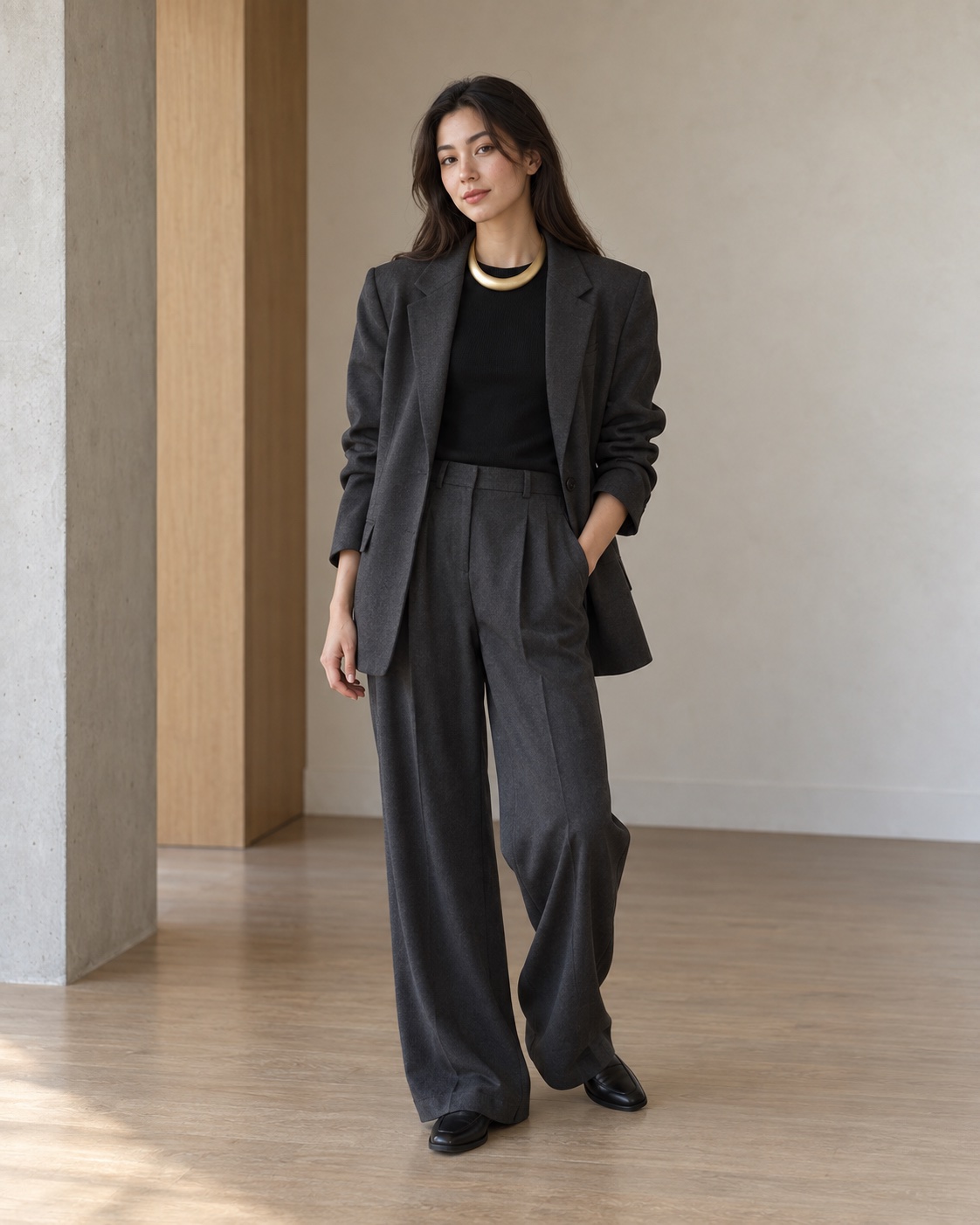
THEN — 2013: Demi Lovato in 2013, wearing the geometric collar exactly as the trend appeared then. Photo: Neon Tommy / Michelle Tiu, CC BY-SA 2.0, via Wikimedia Commons.NOW — 2026: One sculptural gold collar over relaxed charcoal tailoring—the statement is singular, not stacked. Luxemix styled visualization created with AI.
Then: The early 2010s gave us crystal bib necklaces, colored stones, long pendants, tassels, and the J.Crew bubble necklace. Jewelry was often the center of the outfit.
Why it feels current: The current return is moving in two related but distinct directions: long tactile pendants on cord or chain, and one substantial collar necklace. Sculptural metal, beads, talismans, and natural materials feel especially relevant.
How I would wear it: I would choose one direction. A long pendant can break up a column of neutral color. A crystal or metal collar can carry a simple shirt and trouser. I still love the ability of one piece of jewelry to finish an outfit quickly.
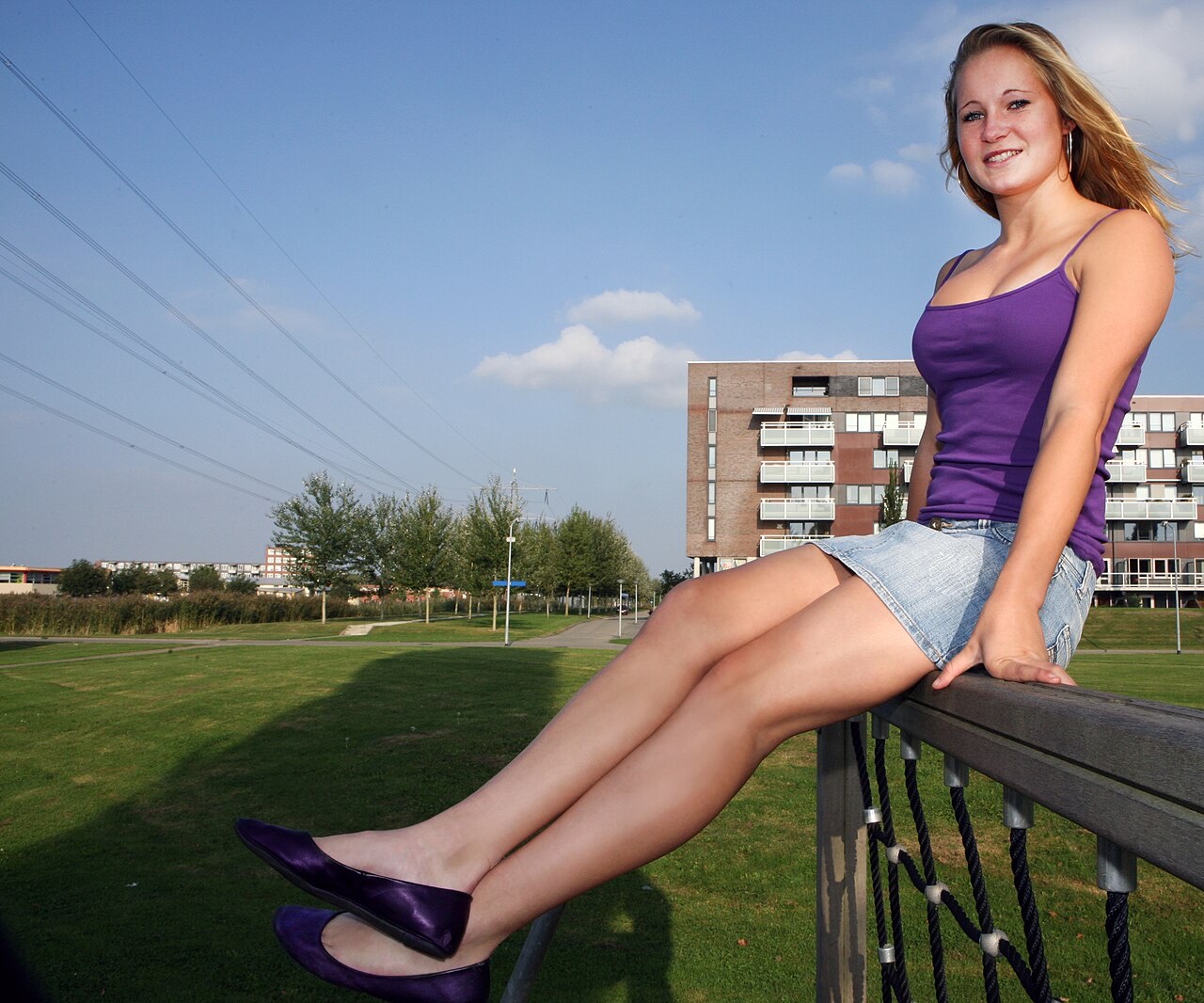
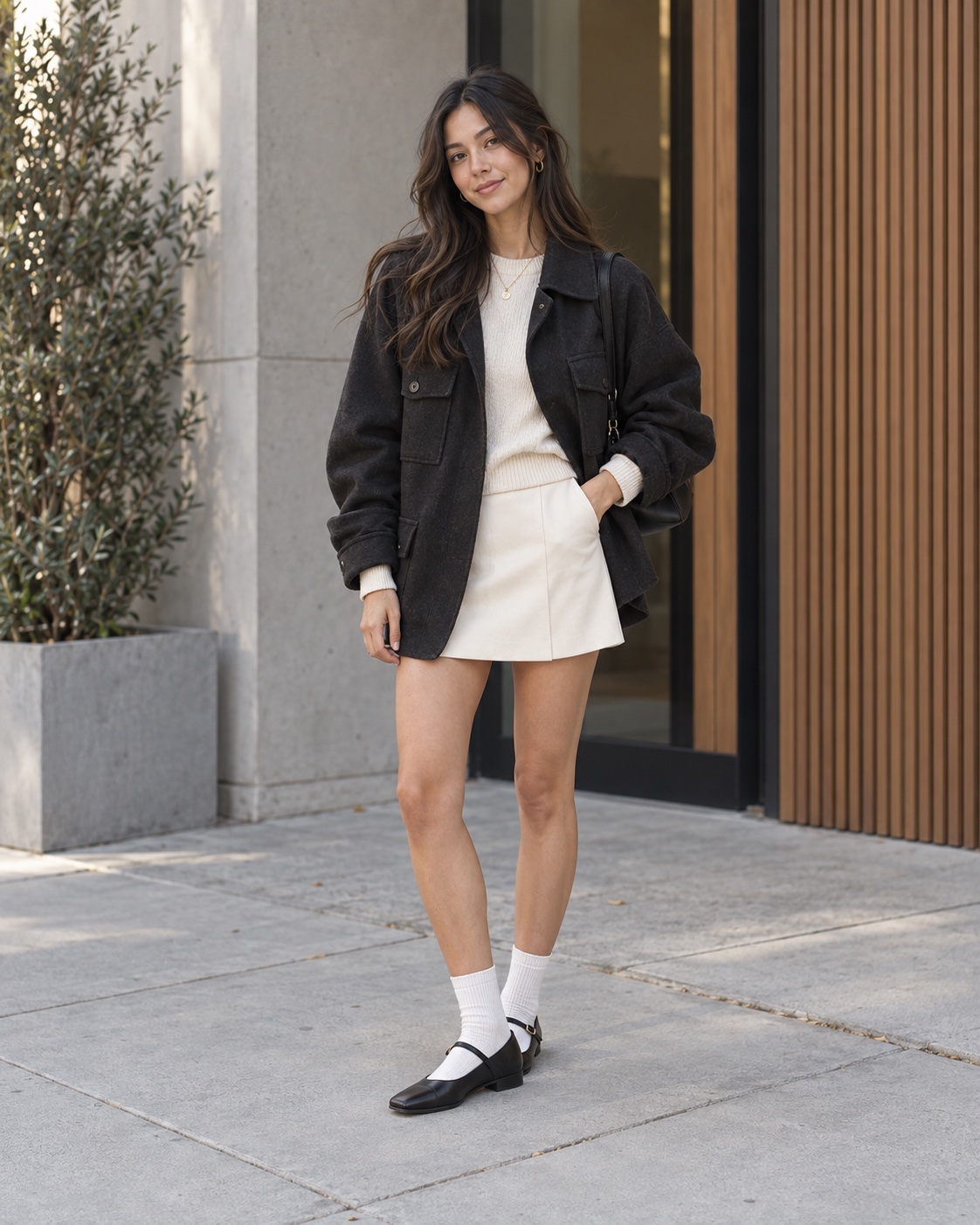
THEN — 2009: Desiree van Lunteren in 2009, wearing purple ballet flats with a tank and denim mini—the everyday version of the trend. Photo: Vogelwacht / Han Meijer, CC BY-SA 4.0, via Wikimedia Commons.NOW — 2026: Elongated black Mary Janes with white socks, an ivory mini, and an oversized jacket show the current proportion. Luxemix styled visualization created with AI.
Then: Round-toe ballet flats became an everyday shoe for skinny jeans, dresses, cropped trousers, and office commutes. Tory Burch Revas were a particularly visible version.
Why they feel current: Ballet flats are not newly back in 2026; they have been firmly present for several seasons. What keeps changing is the shape—square toes, glove construction, mesh, Mary Jane straps, sharper points, and ballet-sneaker hybrids.
How I would wear them: I would look for a distinct material or toe shape: cognac suede with cream trousers, a square-toe black flat with dark denim, or a mesh flat with a long skirt. The ease of the original shoe remains. The details make it feel personal again.
I do not feel the need to reproduce every combination exactly as I wore or saw it the first time.
I would probably skip the infinity scarf layered with a printed blouse, colored skinny jeans, a wide belt, a large necklace, and a platform pump—all in one look. Each piece may still work. I would simply give it more room now.
That is the difference I notice most in revisiting this era. I am not rejecting the original trend. I am isolating the part I actually liked.
One familiar piece. A little less noise around it.
Three Outfit Formulas I Would Wear Now
The Peplum Reset
Sculptural peplum jacket + white tee + dark cigarette jean + modern ballet flat + small shoulder bag.
The jacket provides the shape. The other pieces keep it usable.
The Off-Duty Wedge
Pared-back military jacket + soft tee + long slim-straight jean + tonal wedge sneaker + older designer bag.
Every piece can leave this outfit and work in at least two others. The math holds up.
The Clean Evening Column
Bandage-knit midi dress + relaxed blazer + long sculptural pendant + simple flat or slingback.
The dress creates the line, while the blazer and pendant make the result feel less tied to one particular year.
How I Shop the 2010s Secondhand
Before buying a returning trend, I use the same rule I apply to most wardrobe additions: it should create at least three outfits with clothes I already own.
ROI: 3x minimum.
One more place to look: If you are young enough that your mom wore these trends the first time around, ask her before opening another resale tab. She may have a peplum jacket, silk scarf, or pair of ballet flats waiting in the back of her closet.
Search by silhouette and material, not only by the trend name.
Add the original brand when it matters: Isabel Marant, Hervé Léger, Repetto, Tory Burch, or J.Crew.
Shop by garment measurements rather than relying entirely on an older size label.
Look closely at elastic, leather, sneaker soles, buttons, and the recovery of fitted knits.
Ask whether I want the actual piece or simply enjoy remembering it.
Save the listing for a day before buying. A little distance helps me see where it would genuinely fit.
If an older piece is almost working but the outfit feels slightly off, I use my ChatGPT Microstyling Method to test one or two small adjustments instead of rebuilding the whole look.
What Twenty Years of Blogging Has Changed
Twenty years of writing about style has not made me immune to a fashion cycle. I can still see an old silhouette return and immediately remember why I wanted it.
What has changed is the pause between recognition and purchase.
I can look at the piece, name what I liked about it, and decide whether that part still belongs in my life now. Sometimes it does. Sometimes the memory is enough.
I do not need to dress exactly as I did in 2010.
I can keep the part that still feels like me and wear it differently now.
THE LUXEMIX NEWSLETTER
Get the Shoppable Edit
I’ll be sending shoppable Luxemix newsletters with outfit ideas, useful finds, and the pieces I’d actually wear. Sign up below and I’ll send the next edit to your inbox.
L U X E M I X
N°154 · Vol. XX · September 2026
Twenty years in the making. A space for the messy, beautiful middle.